
Bathroom remodels are often inspired by beautiful tile patterns, stylish fixtures, and spa-like design ideas. While aesthetics certainly matter, the true foundation of any successful bathroom renovation lies beneath the surface. Behind the walls and under the floors is a network of pipes, drains, and connections that make the entire space function. If these systems aren’t carefully evaluated before construction begins, even the most stunning remodel can develop frustrating problems.
Many homeowners focus on design decisions first and worry about plumbing later. Unfortunately, this approach can lead to costly surprises once demolition begins. Old pipes, hidden leaks, and outdated drainage systems are frequently discovered during renovation projects. Addressing these issues ahead of time helps avoid delays, protects your investment, and ensures the finished bathroom performs as well as it looks.
This guide explores the essential plumbing considerations homeowners should evaluate before remodeling their bathroom. From pipe inspections and drainage checks to sewer line assessments and fixture placement, these steps will help you create a bathroom that is not only beautiful but also reliable for years to come.
Start With a Full System Inspection Before Planning the Design
Before selecting materials or finalizing layouts, it’s important to understand the condition of the plumbing system that supports your bathroom. Many homeowners jump straight into design ideas without realizing that the underlying infrastructure may limit certain choices. A thorough inspection ensures that your remodeling plans are built on a solid foundation rather than assumptions.
Working with a reputable bathroom remodeling company can make this step far more efficient. Experienced teams often coordinate with specialists to inspect water supply lines, drain systems, and connections that may be hidden behind walls. This evaluation helps identify problems that might otherwise go unnoticed until demolition begins.
A qualified bathroom remodeling contractor can also help determine whether your existing plumbing will support new fixtures or layout changes. For example, adding a larger shower or double vanity may require upgrades to supply lines or drainage capacity. Identifying these needs early allows homeowners to adjust plans before construction begins.
Early inspections also provide an opportunity to assess overall system performance. If your home has experienced inconsistent water pressure, slow drainage, or unusual noises in the pipes, those issues should be investigated before remodeling begins. Addressing them now prevents expensive corrections later and helps ensure your newly renovated bathroom works flawlessly.
Identify Aging Pipes That Could Cause Problems Later
Many plumbing systems operate reliably for decades, but older materials eventually begin to deteriorate. Homes built several decades ago may still contain galvanized steel pipes or aging copper lines that are approaching the end of their lifespan. If these pipes fail after a remodel is complete, repairs could require removing newly installed tile or cabinetry.
A licensed plumbing contractor can inspect your pipes and determine whether they are still in good condition. During this evaluation, they will check for corrosion, mineral buildup, and potential weak points in the system. These problems often develop slowly and may not become obvious until a renovation exposes the pipes.
Common warning signs that pipes may need attention include:
- Rust-colored water from faucets
- Reduced water pressure throughout the home
- Frequent leaks or damp areas behind walls
- Visible corrosion on exposed pipes
If any of these issues are discovered, it may be wise to address them before installing new fixtures and finishes. Completing preventative plumbing repairs during the remodeling process is typically far less expensive than dealing with unexpected failures later.
Upgrading aging pipes during a renovation also improves long-term reliability. Modern materials such as PEX or updated copper systems offer better durability and resistance to corrosion. Taking care of these improvements now ensures your newly remodeled bathroom will function properly for many years.
Evaluate Water Pressure Before Installing New Fixtures
Water pressure is one of the most overlooked factors in bathroom renovations. Many homeowners select luxurious showerheads or modern faucets without considering whether their plumbing system can deliver the pressure needed to make those fixtures perform well. If water pressure is too low, even the most expensive fixtures may feel underwhelming.
Professional plumbers can test your home’s water pressure and evaluate the causes of any issues. Pressure problems can result from mineral buildup in pipes, aging pressure regulators, or hidden leaks within the system. Identifying these problems early allows homeowners to correct them before installing new fixtures.
In some cases, the solution may be as simple as cleaning out clogged aerators or replacing worn components. In other situations, adjustments to the main water line or pressure regulator may be necessary. These improvements ensure that showers provide a strong, consistent flow and sinks fill quickly when needed.
Testing water pressure during the planning phase also helps homeowners choose fixtures that match their system’s capabilities. With the guidance of experienced plumbers, you can select products that deliver excellent performance without placing unnecessary strain on your plumbing system.
Clear Out Drain Problems Before Construction Starts
Slow or clogged drains are common issues in older bathrooms. Hair, soap residue, and mineral deposits gradually accumulate inside pipes, reducing water flow and creating unpleasant odors. Installing new fixtures without addressing these problems can leave homeowners with drainage issues in a newly renovated space.
Professional drain cleaning plumbing services can remove buildup and restore proper flow before remodeling begins. Specialized equipment is often used to break apart stubborn blockages and thoroughly clean the interior of the pipes. This process ensures that your drainage system is functioning properly before new sinks, showers, or tubs are installed.
Common causes of bathroom drain blockages include:
- Hair buildup in shower drains
- Soap residue and grease accumulation
- Mineral deposits from hard water
- Foreign objects accidentally flushed or washed down drains
Clearing these issues before remodeling begins helps ensure that new fixtures operate smoothly from the start. Clean drains also reduce the likelihood of odors or slow drainage developing in the future.
By investing in professional drain cleaning plumbing services early, homeowners can enjoy a fresh start for their bathroom plumbing system. This preventative step contributes to a smoother renovation process and better long-term performance.
Address Hidden Leaks Behind Walls and Under Floors
Hidden leaks are one of the most common problems discovered during bathroom renovations. Because pipes run behind walls and beneath flooring, small leaks may go unnoticed for years. Over time, however, even minor leaks can cause structural damage, mold growth, and weakened building materials.
Scheduling preventative plumbing repairs before installing new finishes helps prevent these problems from worsening. Professionals can inspect pipes using advanced diagnostic tools that detect moisture and identify leaks without unnecessary demolition. This technology allows issues to be addressed quickly and efficiently.
Experienced plumbers often recommend checking areas around toilets, showers, and supply lines where leaks are most likely to develop. These inspections may reveal loose fittings, deteriorated seals, or small cracks in pipes that require repair.
Addressing leaks before remodeling begins protects your investment. Once the new tile, cabinets, and flooring are installed, accessing plumbing becomes much more difficult. Taking care of hidden problems now ensures your bathroom remains dry, safe, and structurally sound long after the renovation is complete.
Understand the Condition of Your Sewer Connection
Although sewer lines are typically associated with larger plumbing systems, they can have a direct impact on bathroom performance. If the sewer connection serving your bathroom is damaged or obstructed, drainage problems may persist even after new fixtures are installed.
A professional plumbing contractor may recommend a camera inspection to evaluate the condition of the sewer line. This process involves inserting a small camera into the pipe to identify cracks, blockages, or tree root intrusion. It provides a clear picture of the system’s condition without requiring extensive excavation.
If issues are discovered, sewer line repair may be necessary before proceeding with the renovation. While this may seem like a major undertaking, addressing the problem early prevents repeated backups and unpleasant odors in the future.
Repairing sewer lines during the remodeling process can also be more convenient since contractors are already working within the home. Ensuring the sewer connection is functioning properly helps protect your new bathroom from drainage failures and long-term plumbing complications.
Plan Fixture Locations Around Existing Plumbing Lines
Bathroom layouts often change during remodeling projects. Homeowners may want to relocate sinks, install larger showers, or reposition toilets for a better flow. While these changes can improve functionality, moving plumbing lines can significantly increase renovation costs.
Experienced bathroom contractors often recommend designing the layout around existing plumbing connections whenever possible. Keeping fixtures close to their original locations reduces the need for extensive pipe relocation, saving both time and money during construction.
There are several practical ways to maintain efficiency while updating the layout:
- Position new fixtures near existing water supply lines
- Use creative cabinetry designs to conceal plumbing connections
- Expand showers without relocating drains
- Upgrade fixtures without moving pipe locations
This approach allows homeowners to achieve a fresh design while keeping plumbing modifications manageable. It also reduces the risk of unexpected structural challenges during the remodeling process.
Collaborating with knowledgeable bathroom contractors ensures your design balances creativity with practicality. By working within the limits of the plumbing system, you can create a beautiful layout without unnecessary complications.
Upgrade Ventilation Pipes to Prevent Future Drain Issues
Many homeowners are unaware that plumbing systems include ventilation pipes that regulate air pressure within the drains. These vents allow air to enter the plumbing system, preventing suction that could slow drainage or cause unpleasant odors. If vents become blocked or outdated, drainage performance may suffer.
During a remodel, professionals may inspect the vent system and recommend upgrades if necessary. Proper ventilation helps water flow smoothly through the pipes and reduces the likelihood of future clogs. In some cases, improving venting can even reduce the need for frequent drain cleaning plumbing services.
Blocked or inadequate vents can lead to several noticeable problems:
- Slow-draining sinks or tubs
- Gurgling sounds in pipes
- Unpleasant sewer odors
- Water is being pulled out of the drain traps
Addressing these issues during the renovation process helps ensure the entire plumbing system works efficiently. Proper ventilation is an essential but often overlooked part of bathroom plumbing design.
By correcting vent problems early, homeowners create a system that performs reliably without constant maintenance.
Coordinate Structural Work With Utility Improvements
Bathroom renovations often involve more than plumbing upgrades alone. Structural changes, electrical updates, and ventilation improvements may all take place during the project. Coordinating these tasks carefully helps ensure the work proceeds efficiently without unnecessary delays.
An experienced remodeling contractor typically oversees the scheduling of these different elements. When walls are opened for plumbing work, it may also be an ideal time to make other improvements, such as insulation upgrades or wiring adjustments. Combining projects can reduce overall labor costs and streamline the renovation timeline.
In some situations, remodeling work may even include improvements like window glass replacement to increase natural light or improve energy efficiency. Addressing these upgrades while the room is already under construction can save time compared to tackling them later as separate projects.
Careful coordination between different trades ensures the renovation progresses smoothly. When plumbing, structural, and design improvements are planned together, homeowners benefit from a more efficient and cohesive remodeling process.
Choose Professionals Who Work Together Seamlessly
One of the most important decisions homeowners make during a renovation is choosing the right team of professionals. Successful bathroom projects rely on close collaboration between designers, contractors, and plumbing specialists. When everyone works together effectively, projects move forward with fewer delays and better results. Hiring a full-service bathroom remodeling company can simplify the process by bringing multiple services under one roof. These companies often coordinate planning, design, construction, and plumbing work to ensure each stage of the renovation progresses smoothly.
Experienced bathroom contractors also play a key role in managing timelines and inspections. Their expertise helps ensure that plumbing upgrades are completed correctly before new surfaces and fixtures are installed. This level of coordination minimizes errors and keeps the project on schedule.
Choosing professionals who communicate well and collaborate effectively can make the remodeling process far less stressful. A coordinated team helps transform your vision into reality while ensuring every part of the plumbing system supports the finished design.
A bathroom remodel offers an exciting opportunity to upgrade both the appearance and functionality of one of the most important rooms in your home. While design choices often capture the most attention, the hidden plumbing infrastructure plays an equally critical role in the success of the project. Ensuring that pipes, drains, and connections are in good condition before construction begins can prevent costly surprises and long-term maintenance problems.
By evaluating plumbing systems early, homeowners can make more informed decisions about layout changes, fixture upgrades, and structural improvements. Addressing issues such as aging pipes, drainage blockages, and hidden leaks helps create a stable foundation for the entire renovation. These proactive steps also allow contractors to work more efficiently and avoid unexpected delays during construction.
Taking the time to thoroughly assess your plumbing system ensures that your newly remodeled bathroom will perform just as beautifully as it looks. With careful planning and the right professional support, you can enjoy a space that combines style, comfort, and reliable functionality for many years to come.
Bathroom remodels are often inspired by beautiful tile patterns, stylish fixtures, and spa-like design ideas. While aesthetics certainly matter, the true foundation of any successful bathroom renovation lies beneath the surface. Behind the walls and under the floors is a network of pipes, drains, and connections that make the entire space function. If these systems aren’t carefully evaluated before construction begins, even the most stunning remodel can develop frustrating problems.
Many homeowners focus on design decisions first and worry about plumbing later. Unfortunately, this approach can lead to costly surprises once demolition begins. Old pipes, hidden leaks, and outdated drainage systems are frequently discovered during renovation projects. Addressing these issues ahead of time helps avoid delays, protects your investment, and ensures the finished bathroom performs as well as it looks.
This guide explores the essential plumbing considerations homeowners should evaluate before remodeling their bathroom. From pipe inspections and drainage checks to sewer line assessments and fixture placement, these steps will help you create a bathroom that is not only beautiful but also reliable for years to come.
Start With a Full System Inspection Before Planning the Design

Before selecting materials or finalizing layouts, it’s important to understand the condition of the plumbing system that supports your bathroom. Many homeowners jump straight into design ideas without realizing that the underlying infrastructure may limit certain choices. A thorough inspection ensures that your remodeling plans are built on a solid foundation rather than assumptions.
Working with a reputable bathroom remodeling company can make this step far more efficient. Experienced teams often coordinate with specialists to inspect water supply lines, drain systems, and connections that may be hidden behind walls. This evaluation helps identify problems that might otherwise go unnoticed until demolition begins.
A qualified bathroom remodeling contractor can also help determine whether your existing plumbing will support new fixtures or layout changes. For example, adding a larger shower or double vanity may require upgrades to supply lines or drainage capacity. Identifying these needs early allows homeowners to adjust plans before construction begins.
Early inspections also provide an opportunity to assess overall system performance. If your home has experienced inconsistent water pressure, slow drainage, or unusual noises in the pipes, those issues should be investigated before remodeling begins. Addressing them now prevents expensive corrections later and helps ensure your newly renovated bathroom works flawlessly.
Identify Aging Pipes That Could Cause Problems Later
Many plumbing systems operate reliably for decades, but older materials eventually begin to deteriorate. Homes built several decades ago may still contain galvanized steel pipes or aging copper lines that are approaching the end of their lifespan. If these pipes fail after a remodel is complete, repairs could require removing newly installed tile or cabinetry.
A licensed plumbing contractor can inspect your pipes and determine whether they are still in good condition. During this evaluation, they will check for corrosion, mineral buildup, and potential weak points in the system. These problems often develop slowly and may not become obvious until a renovation exposes the pipes.
Common warning signs that pipes may need attention include:
- Rust-colored water from faucets
- Reduced water pressure throughout the home
- Frequent leaks or damp areas behind walls
- Visible corrosion on exposed pipes
If any of these issues are discovered, it may be wise to address them before installing new fixtures and finishes. Completing preventative plumbing repairs during the remodeling process is typically far less expensive than dealing with unexpected failures later.
Upgrading aging pipes during a renovation also improves long-term reliability. Modern materials such as PEX or updated copper systems offer better durability and resistance to corrosion. Taking care of these improvements now ensures your newly remodeled bathroom will function properly for many years.
Evaluate Water Pressure Before Installing New Fixtures
Water pressure is one of the most overlooked factors in bathroom renovations. Many homeowners select luxurious showerheads or modern faucets without considering whether their plumbing system can deliver the pressure needed to make those fixtures perform well. If water pressure is too low, even the most expensive fixtures may feel underwhelming.
Professional plumbers can test your home’s water pressure and evaluate the causes of any issues. Pressure problems can result from mineral buildup in pipes, aging pressure regulators, or hidden leaks within the system. Identifying these problems early allows homeowners to correct them before installing new fixtures.
In some cases, the solution may be as simple as cleaning out clogged aerators or replacing worn components. In other situations, adjustments to the main water line or pressure regulator may be necessary. These improvements ensure that showers provide a strong, consistent flow and sinks fill quickly when needed.
Testing water pressure during the planning phase also helps homeowners choose fixtures that match their system’s capabilities. With the guidance of experienced plumbers, you can select products that deliver excellent performance without placing unnecessary strain on your plumbing system.
Clear Out Drain Problems Before Construction Starts
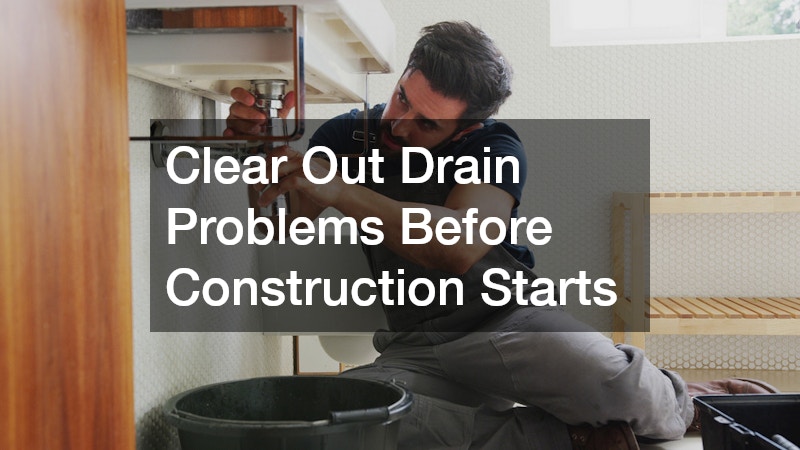
Slow or clogged drains are common issues in older bathrooms. Hair, soap residue, and mineral deposits gradually accumulate inside pipes, reducing water flow and creating unpleasant odors. Installing new fixtures without addressing these problems can leave homeowners with drainage issues in a newly renovated space.
Professional drain cleaning plumbing services can remove buildup and restore proper flow before remodeling begins. Specialized equipment is often used to break apart stubborn blockages and thoroughly clean the interior of the pipes. This process ensures that your drainage system is functioning properly before new sinks, showers, or tubs are installed.
Common causes of bathroom drain blockages include:
- Hair buildup in shower drains
- Soap residue and grease accumulation
- Mineral deposits from hard water
- Foreign objects accidentally flushed or washed down drains
Clearing these issues before remodeling begins helps ensure that new fixtures operate smoothly from the start. Clean drains also reduce the likelihood of odors or slow drainage developing in the future.
By investing in professional drain cleaning plumbing services early, homeowners can enjoy a fresh start for their bathroom plumbing system. This preventative step contributes to a smoother renovation process and better long-term performance.
Address Hidden Leaks Behind Walls and Under Floors
Hidden leaks are one of the most common problems discovered during bathroom renovations. Because pipes run behind walls and beneath flooring, small leaks may go unnoticed for years. Over time, however, even minor leaks can cause structural damage, mold growth, and weakened building materials.
Scheduling preventative plumbing repairs before installing new finishes helps prevent these problems from worsening. Professionals can inspect pipes using advanced diagnostic tools that detect moisture and identify leaks without unnecessary demolition. This technology allows issues to be addressed quickly and efficiently.
Experienced plumbers often recommend checking areas around toilets, showers, and supply lines where leaks are most likely to develop. These inspections may reveal loose fittings, deteriorated seals, or small cracks in pipes that require repair.
Addressing leaks before remodeling begins protects your investment. Once the new tile, cabinets, and flooring are installed, accessing plumbing becomes much more difficult. Taking care of hidden problems now ensures your bathroom remains dry, safe, and structurally sound long after the renovation is complete.
Understand the Condition of Your Sewer Connection
Although sewer lines are typically associated with larger plumbing systems, they can have a direct impact on bathroom performance. If the sewer connection serving your bathroom is damaged or obstructed, drainage problems may persist even after new fixtures are installed.
A professional plumbing contractor may recommend a camera inspection to evaluate the condition of the sewer line. This process involves inserting a small camera into the pipe to identify cracks, blockages, or tree root intrusion. It provides a clear picture of the system’s condition without requiring extensive excavation.
If issues are discovered, sewer line repair may be necessary before proceeding with the renovation. While this may seem like a major undertaking, addressing the problem early prevents repeated backups and unpleasant odors in the future.
Repairing sewer lines during the remodeling process can also be more convenient since contractors are already working within the home. Ensuring the sewer connection is functioning properly helps protect your new bathroom from drainage failures and long-term plumbing complications.
Plan Fixture Locations Around Existing Plumbing Lines
Bathroom layouts often change during remodeling projects. Homeowners may want to relocate sinks, install larger showers, or reposition toilets for a better flow. While these changes can improve functionality, moving plumbing lines can significantly increase renovation costs.
Experienced bathroom contractors often recommend designing the layout around existing plumbing connections whenever possible. Keeping fixtures close to their original locations reduces the need for extensive pipe relocation, saving both time and money during construction.
There are several practical ways to maintain efficiency while updating the layout:
- Position new fixtures near existing water supply lines
- Use creative cabinetry designs to conceal plumbing connections
- Expand showers without relocating drains
- Upgrade fixtures without moving pipe locations
This approach allows homeowners to achieve a fresh design while keeping plumbing modifications manageable. It also reduces the risk of unexpected structural challenges during the remodeling process.
Collaborating with knowledgeable bathroom contractors ensures your design balances creativity with practicality. By working within the limits of the plumbing system, you can create a beautiful layout without unnecessary complications.
Upgrade Ventilation Pipes to Prevent Future Drain Issues
Many homeowners are unaware that plumbing systems include ventilation pipes that regulate air pressure within the drains. These vents allow air to enter the plumbing system, preventing suction that could slow drainage or cause unpleasant odors. If vents become blocked or outdated, drainage performance may suffer.
During a remodel, professionals may inspect the vent system and recommend upgrades if necessary. Proper ventilation helps water flow smoothly through the pipes and reduces the likelihood of future clogs. In some cases, improving venting can even reduce the need for frequent drain cleaning plumbing services.
Blocked or inadequate vents can lead to several noticeable problems:
- Slow-draining sinks or tubs
- Gurgling sounds in pipes
- Unpleasant sewer odors
- Water is being pulled out of the drain traps
Addressing these issues during the renovation process helps ensure the entire plumbing system works efficiently. Proper ventilation is an essential but often overlooked part of bathroom plumbing design.
By correcting vent problems early, homeowners create a system that performs reliably without constant maintenance.
Coordinate Structural Work With Utility Improvements
Bathroom renovations often involve more than plumbing upgrades alone. Structural changes, electrical updates, and ventilation improvements may all take place during the project. Coordinating these tasks carefully helps ensure the work proceeds efficiently without unnecessary delays.
An experienced remodeling contractor typically oversees the scheduling of these different elements. When walls are opened for plumbing work, it may also be an ideal time to make other improvements, such as insulation upgrades or wiring adjustments. Combining projects can reduce overall labor costs and streamline the renovation timeline.
In some situations, remodeling work may even include improvements like window glass replacement to increase natural light or improve energy efficiency. Addressing these upgrades while the room is already under construction can save time compared to tackling them later as separate projects.
Careful coordination between different trades ensures the renovation progresses smoothly. When plumbing, structural, and design improvements are planned together, homeowners benefit from a more efficient and cohesive remodeling process.
Choose Professionals Who Work Together Seamlessly

One of the most important decisions homeowners make during a renovation is choosing the right team of professionals. Successful bathroom projects rely on close collaboration between designers, contractors, and plumbing specialists. When everyone works together effectively, projects move forward with fewer delays and better results. Hiring a full-service bathroom remodeling company can simplify the process by bringing multiple services under one roof. These companies often coordinate planning, design, construction, and plumbing work to ensure each stage of the renovation progresses smoothly.
Experienced bathroom contractors also play a key role in managing timelines and inspections. Their expertise helps ensure that plumbing upgrades are completed correctly before new surfaces and fixtures are installed. This level of coordination minimizes errors and keeps the project on schedule.
Choosing professionals who communicate well and collaborate effectively can make the remodeling process far less stressful. A coordinated team helps transform your vision into reality while ensuring every part of the plumbing system supports the finished design.
A bathroom remodel offers an exciting opportunity to upgrade both the appearance and functionality of one of the most important rooms in your home. While design choices often capture the most attention, the hidden plumbing infrastructure plays an equally critical role in the success of the project. Ensuring that pipes, drains, and connections are in good condition before construction begins can prevent costly surprises and long-term maintenance problems.
By evaluating plumbing systems early, homeowners can make more informed decisions about layout changes, fixture upgrades, and structural improvements. Addressing issues such as aging pipes, drainage blockages, and hidden leaks helps create a stable foundation for the entire renovation. These proactive steps also allow contractors to work more efficiently and avoid unexpected delays during construction.
Taking the time to thoroughly assess your plumbing system ensures that your newly remodeled bathroom will perform just as beautifully as it looks. With careful planning and the right professional support, you can enjoy a space that combines style, comfort, and reliable functionality for many years to come.